A beginner's guide
What is an oracle deck?
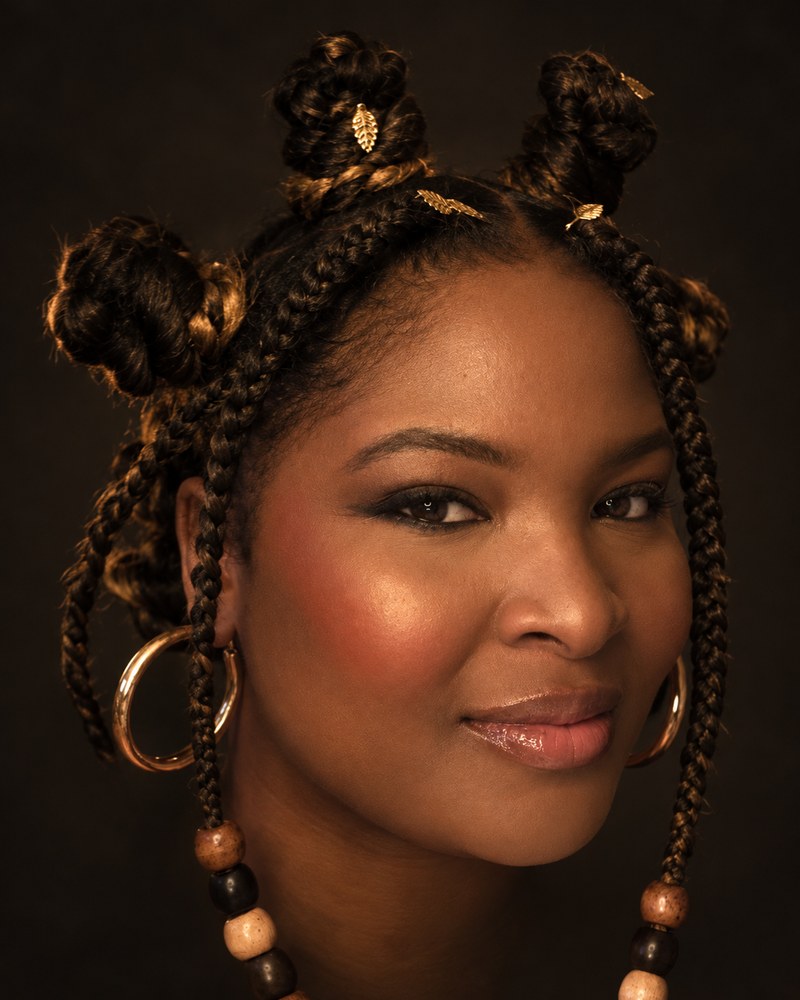 By Kendra, founder of Always Hear and creator of the Inner Listening Oracle
An oracle deck is a set of cards, each with an image and a message, that you use to pause, reflect and listen to your own intuition. You ask a question, draw a card, and let its message open a new way of seeing your situation.
If tarot has ever felt intimidating, oracle cards are a gentle place to begin. There are no rules to memorize and no "right" way to read them. The cards meet you exactly where you are.
Tarot vs oracle cards: what is the difference?
Tarot and oracle cards are cousins. Both use imagery to help you reflect, and many readers love using them together. The big difference is structure.
| Tarot | Oracle | |
|---|---|---|
| Number of cards | Always 78 | Any number, set by the creator |
| Structure | Major Arcana, Minor Arcana and four suits | No fixed structure. Each deck has its own themes |
| Meanings | Traditional meanings you learn over time | Usually written right on the card |
| Spreads | Classic layouts like the three card and Celtic Cross | Often one card at a time, or any layout you like |
| Learning curve | Deeper, with more to study | Gentle. You can start today |
| Best for | Detailed readings on a specific situation | Daily guidance, journaling and intuition |
Neither is better. Tarot gives you a rich, detailed language. Oracle gives you a soft, direct message. Choose the one that matches how you want to listen.
Quick quiz
Should you start with tarot or oracle cards?
What can an oracle deck help with?
- Getting clear when your mind feels noisy or stuck
- Reflecting on a decision, a relationship or a new season of life
- Starting your day with a gentle message or intention
- Journaling prompts when you do not know where to begin
- Feeling more connected to your own inner voice
Oracle cards are a tool for reflection, not prediction. Think of each card as a wise friend asking, "Have you considered this?"
How to do your first oracle reading
- Get quiet. Take three slow breaths. Some people light a candle or sip water to mark the moment.
- Ask a simple question. Open questions work best, like "What do I need to know today?"
- Shuffle and draw. Shuffle until it feels right, then pull one card.
- Read and notice. Read the message, then notice your first feeling or thought. That first response is your intuition speaking.
About the Inner Listening Oracle
I created the Inner Listening Oracle for the moments when life gets loud and you cannot hear yourself think. It has 22 celestial cards, each with a moon phase, a gentle message and a small ritual, plus a guidebook that explains every card in plain words. It prints at home, so you can be shuffling tonight.
Begin your practice
Inner Listening Oracle
22 printable cards, a 32 page guidebook and phone wallpapers of every card.
Get the deck · $15 See the deck and workbookCommon questions
What is the difference between oracle cards and tarot cards?
A tarot deck follows a set structure of 78 cards, with the Major and Minor Arcana and four suits. An oracle deck has no fixed rules. Each deck has its own number of cards, its own themes and its own messages, which makes oracle cards simpler and more beginner friendly.
Should I start with tarot or oracle cards?
Oracle cards are the easier place to start because the meaning is usually written on each card and there are no fixed rules. Tarot has 78 cards with traditional meanings, so it takes more study but gives very detailed readings. Many readers use both. Start with the Inner Listening Oracle, and learn tarot with me on TikTok.
Do I need experience to use an oracle deck?
No. Oracle decks are made to be intuitive. Each card usually shows its name or keyword, and most decks come with a guidebook that explains every card in plain language.
Can an oracle deck predict the future?
Oracle cards are best used for reflection, not prediction. They offer a gentle message or a new way of looking at your situation, and you decide what feels true for you.
How do I do my first oracle reading?
Find a quiet moment, take a few slow breaths, and hold a simple question in mind. Shuffle until it feels right, draw one card, and read its message. Notice what feeling or thought comes up first.
Oracle cards are for entertainment and personal reflection. They are not predictions and are not medical, mental health, legal or financial advice.